
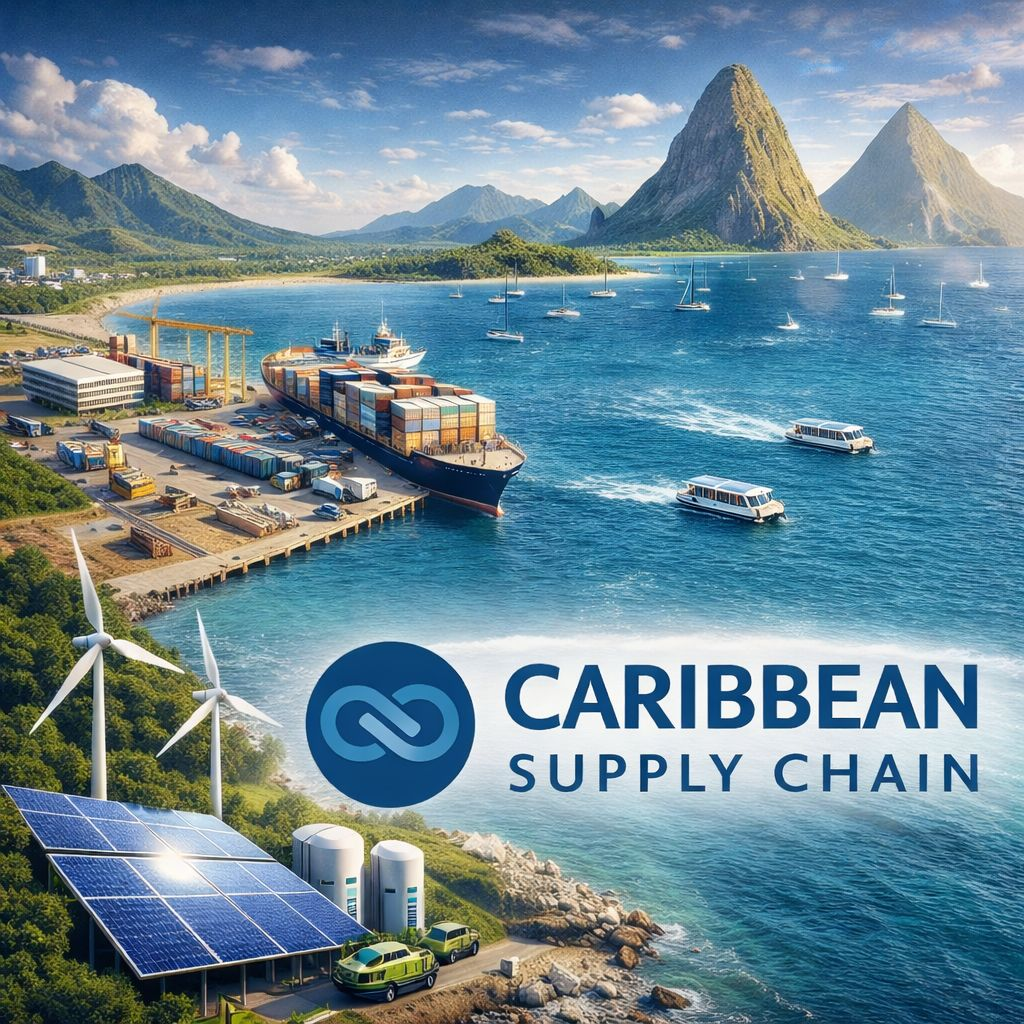
The Caribbean is no longer just a destination for tourism — it is rapidly becoming one of the most exciting regions in the world for infrastructure, clean energy, logistics and climate-smart investment.
From smart ports and shipping to clean energy, coastal protection, housing and island transport, a new generation of projects is emerging — designed not only to withstand climate change, but to turn it into an economic advantage.
At the heart of this shift is a powerful new model: climate-smart infrastructure that attracts private capital, delivers measurable performance and builds long-term national resilience.
Why the World Is Turning to the Caribbean
Small island states face some of the most extreme climate risks on earth — but that also makes them the ideal testbed for the future of global infrastructure.
Caribbean nations are now pioneering:
• Climate-resilient ports
• Net-zero shipping
• Renewable micro-grids
• Smart logistics and data platforms
• Coastal protection systems
• Electrified ferry networks
• Sustainable housing and infrastructure
What works here will soon be required everywhere else.
The Rise of Climate-Smart Ports
The future of global trade will be decided at the water’s edge — and the Caribbean is positioning itself to lead.
Through the Leading Talent – Caribbean Supply Chain Collaboration, a new generation of ports is being created that is:
• Climate-resilient
• Data-driven
• Energy-efficient
• Investment-ready
This is not about small upgrades.
It is about building a repeatable, scalable model for how ports, governments and private capital work together — with shared standards, governance and performance metrics.
Across participating ports, the programme is delivering:
• Shore power, renewables and low-carbon logistics to cut vessel and port emissions
• Nature-based coastal protection such as mangroves and living shorelines to defend against storms and rising seas
• Smart data platforms that turn emissions, energy use, logistics and port performance into real-time management intelligence
This makes ports not just greener — but more efficient, more profitable and more investable.
Where Investors Fit In
The Caribbean is opening a multi-sector investment landscape built around:
1. Shipping & Inter-Island Trade
Modern liner services, regional shipping hubs and smart port infrastructure are reducing import costs, improving food security and strengthening regional supply chains.
2. Smart Ports & Digital Systems
Ports are becoming data platforms — tracking cargo, emissions, energy and performance — giving investors real-time transparency and operational control.
3. Electric Ferry & Water Taxi Networks
Electrified coastal transport is transforming how people and tourists move between islands, ports, airports and cities — creating high-margin, clean transport systems.
4. Clean Energy & Grid Infrastructure
Solar, battery storage, hydrogen and micro-grids power ports, ferries, housing and industry — reducing fuel imports and stabilising long-term costs.
5. Coastal Protection & Climate Resilience
Mangroves, reef restoration and living shorelines protect infrastructure while unlocking carbon credits, insurance savings and ESG-linked financing.
6. Housing & Workforce Development
New ports, factories, energy systems and ferry networks create demand for modern housing, training centres and community infrastructure.
This is an integrated investment ecosystem — not isolated projects.
Why Capital Is Flowing In
The new Caribbean model aligns climate goals with financial performance.
Smart ports and clean energy systems generate:
• Predictable revenues
• Long-term contracts
• ESG-compliant returns
• Lower operating risk
• Strong government backing
And because everything is measured — emissions, energy use, logistics performance, resilience — investors get real, verifiable ESG data, not marketing claims.
This means:
• Better capital allocation
• Higher confidence
• Lower risk
• Stronger long-term returns
Sustainability that actually performs.
A Global Blueprint Is Being Built
By embedding clean energy, data, skills and resilience from the start, Caribbean ports and infrastructure are becoming:
• Net-zero
• Digitally enabled
• Climate-protected
• Economically competitive
The result is not just greener ports — but stronger national economies and global leadership in climate-smart trade.
The Caribbean is no longer catching up.
It is setting the standard.
Contact richard@octaviusgb.com for more information how we can collaborate.